
lighting artwork & objet d’Art: a refined approach to feature lighting
Lighting artwork and objet d’art is one of the most nuanced aspects of residential lighting design. Beyond simple illumination, it shapes how a piece is experienced- enhancing texture, depth, and visual impact within a space.
When thoughtfully considered, architectural lighting for artwork becomes a powerful design tool- one that elevates both the object and its surroundings.
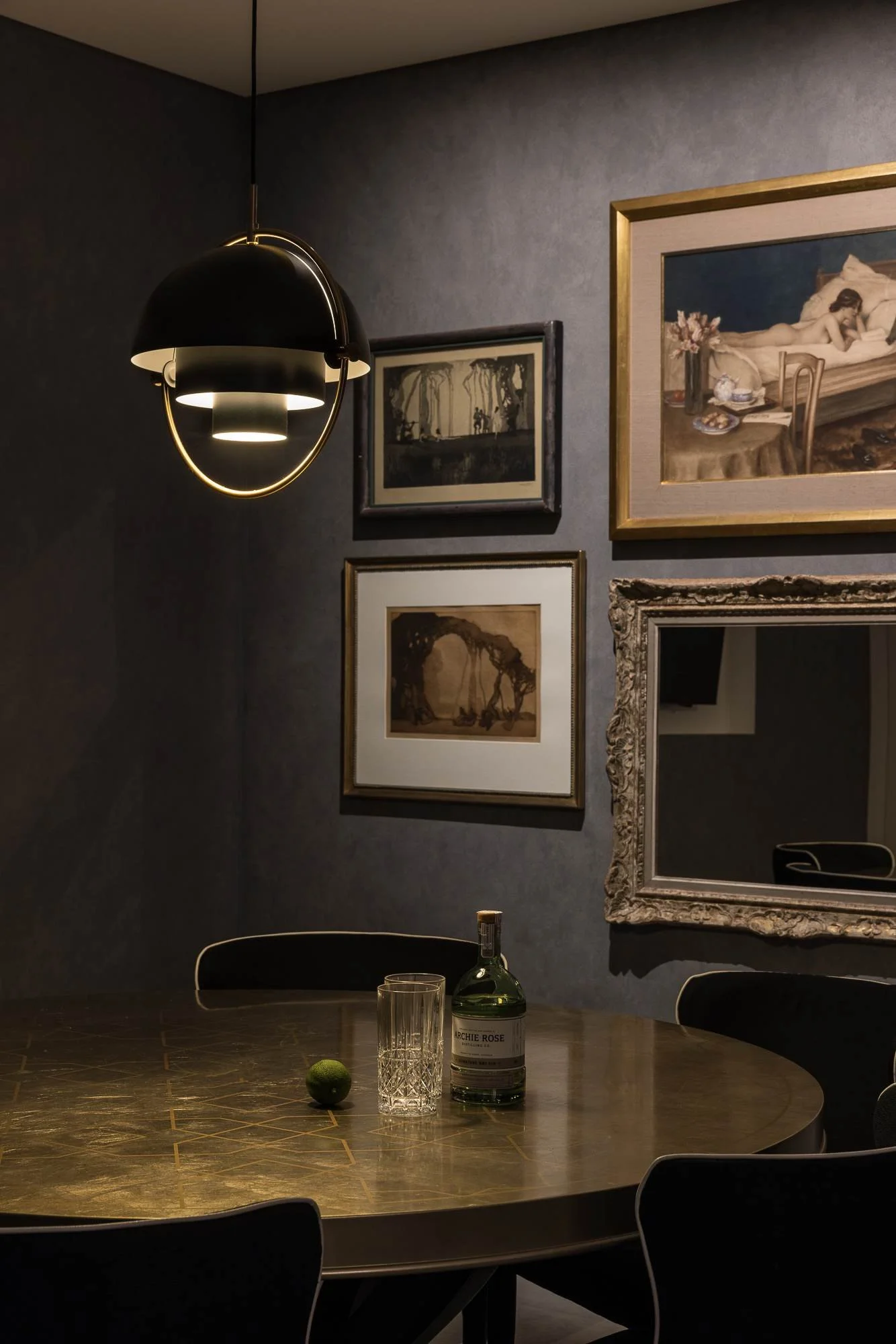
Cremorne Project
Wall Washing vs Downlights for Artwork
A common approach to artwork lighting is the use of ceiling downlights. While convenient, they often introduce glare, shadowing, and uneven light distribution.
A more refined solution is wall washing lighting, which delivers a soft, even vertical illumination. This technique ensures artwork is viewed in its entirety, preserving colour, detail, and composition without distraction.
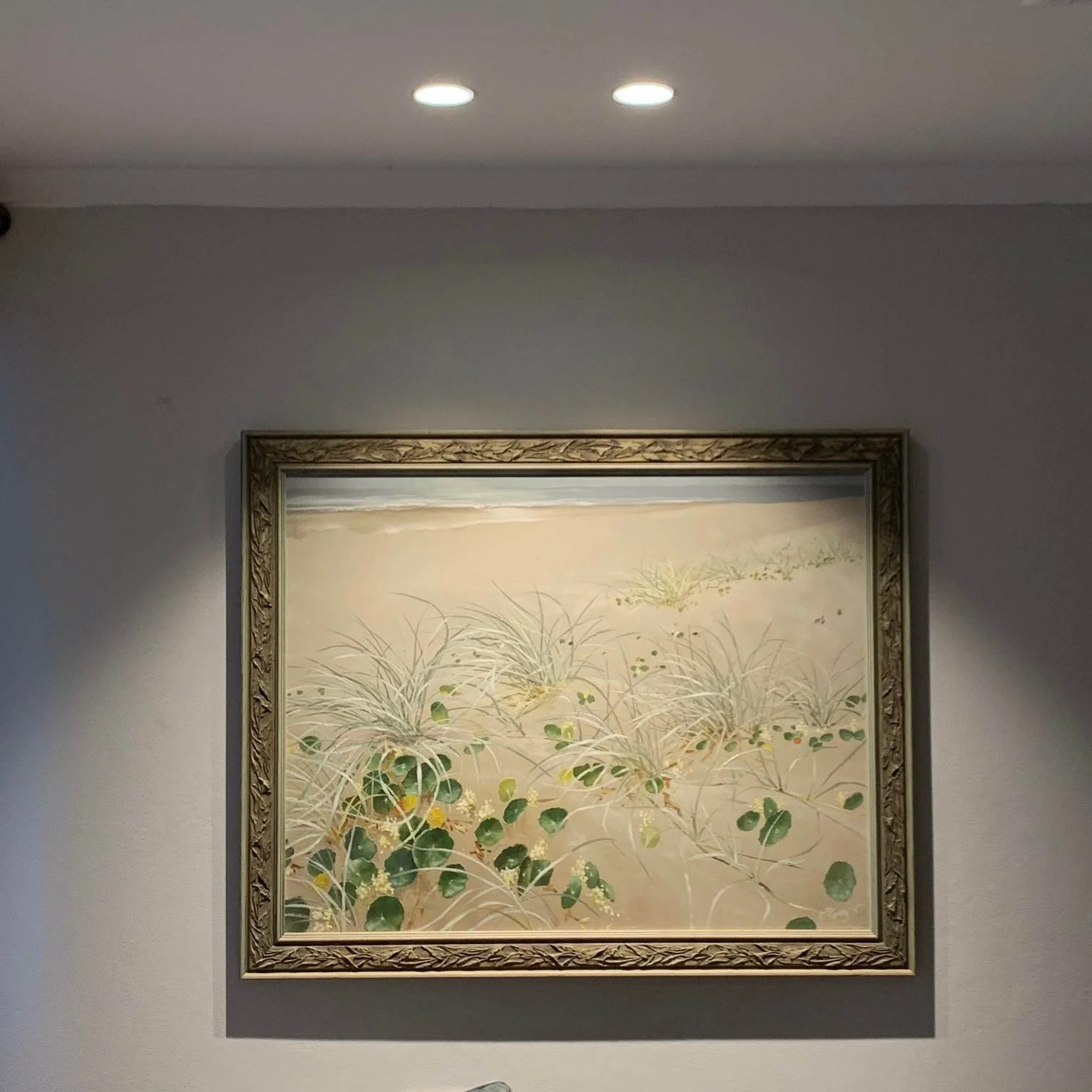
Bowral Project
Picture Lights: Decorative Precision
Picture lights for artwork offer both function and visual presence. However, their success depends on precise specification.
Mounting height, projection, and beam spread must be carefully resolved to avoid hot spots or fall-off. When executed correctly, picture lights become an elegant extension of the artwork- enhancing rather than overpowering it.
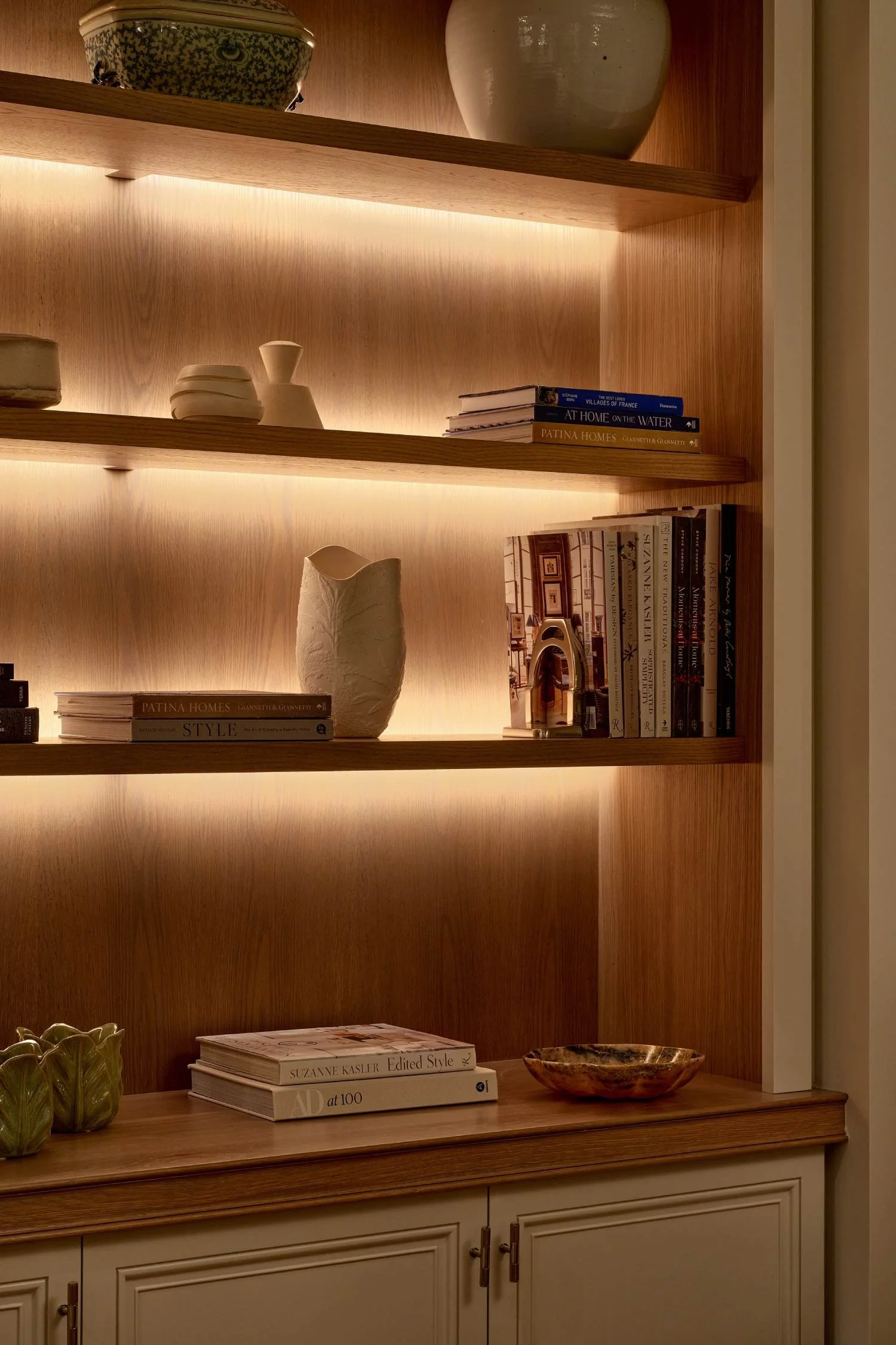
Woolwich Project
Joinery Lighting for Objet d’Art
When lighting objects within cabinetry, LED strip lighting in joinery requires meticulous placement.
The light source must remain concealed, while the beam is carefully angled to graze or softly wash the object. This enhances materiality, form, and depth- transforming shelves into curated displays.
Small positional adjustments can dramatically influence the outcome, reinforcing the importance of precision in joinery lighting design.
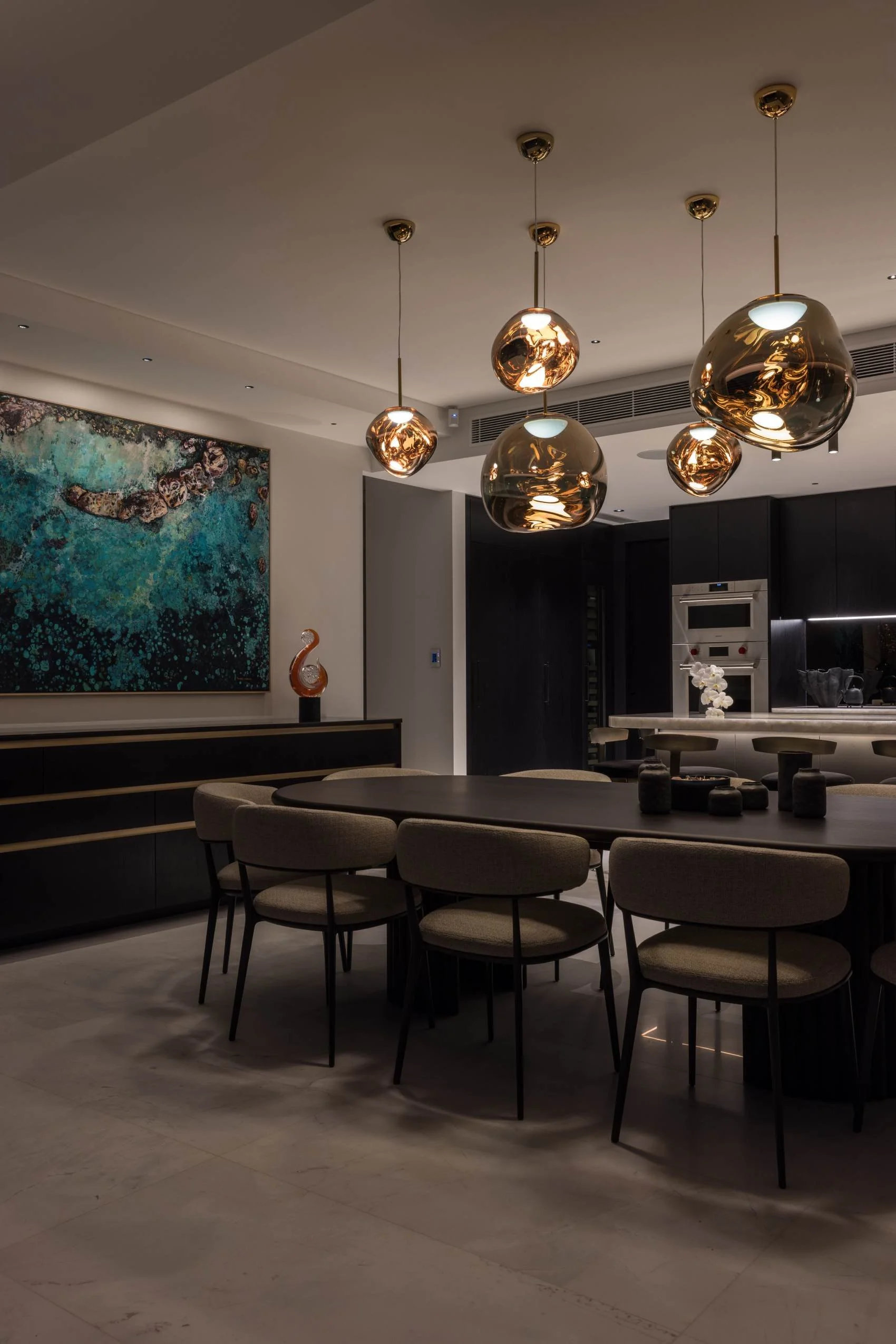
Hunters Hill Project
Choosing the Right Colour Temperature (CCT)
Colour temperature in lighting design plays a critical role in how artwork is perceived.
Warmer tones (2700K–3000K) enhance natural materials, timbers, and traditional works
Cooler tones may suit contemporary or monochromatic pieces
The goal is not uniform lighting throughout a home, but intentional selection- ensuring each piece is lit in a way that complements its palette and character.
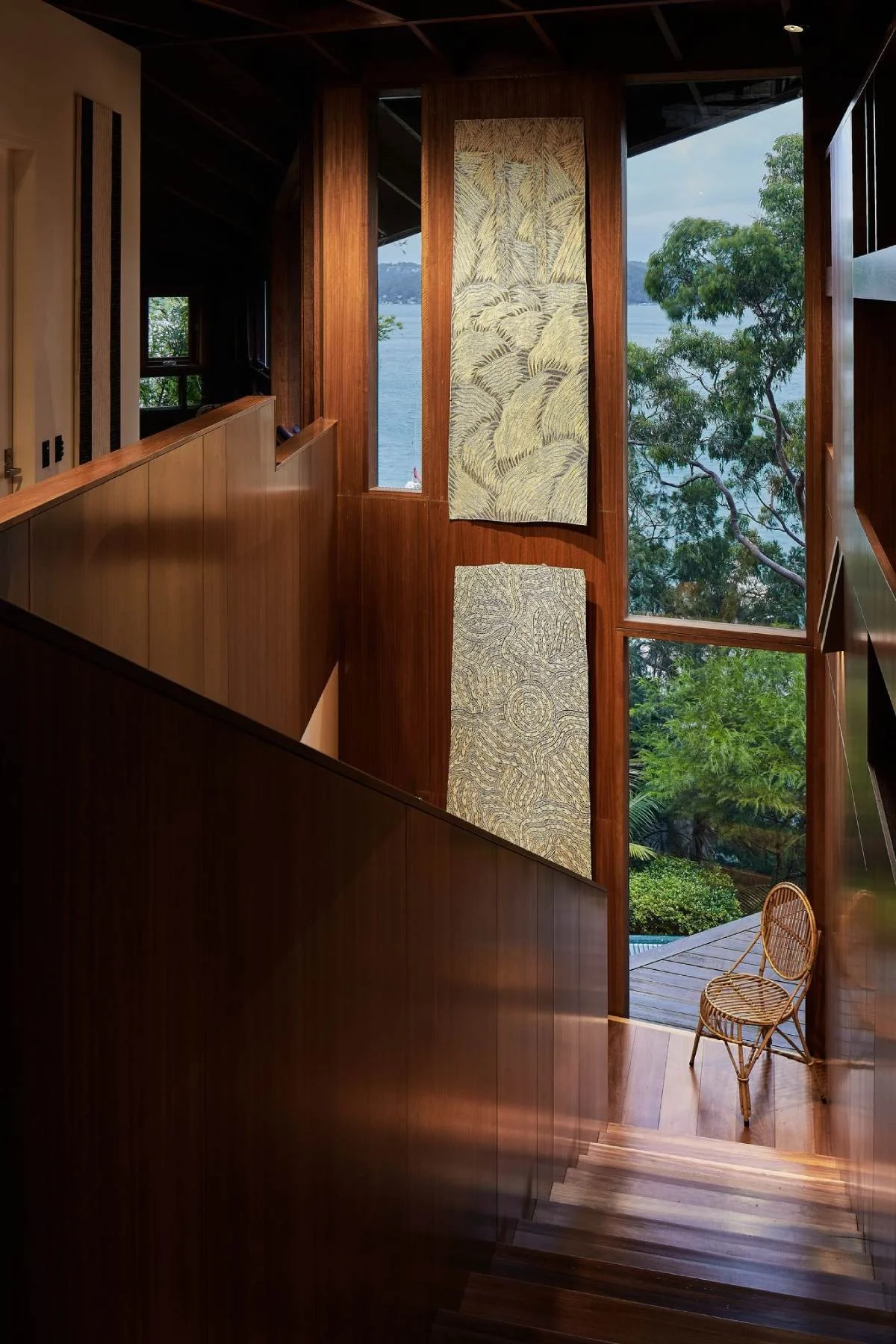
Clareville Project
Sculptural Lighting: Preserving Form and Depth
Lighting sculpture requires a layered approach.
A single light source can flatten a three-dimensional object. By contrast, multi-directional lighting introduces shadow and contrast, preserving depth and revealing form.
This technique ensures sculpture is experienced as intended- dynamic, dimensional, and visually engaging.
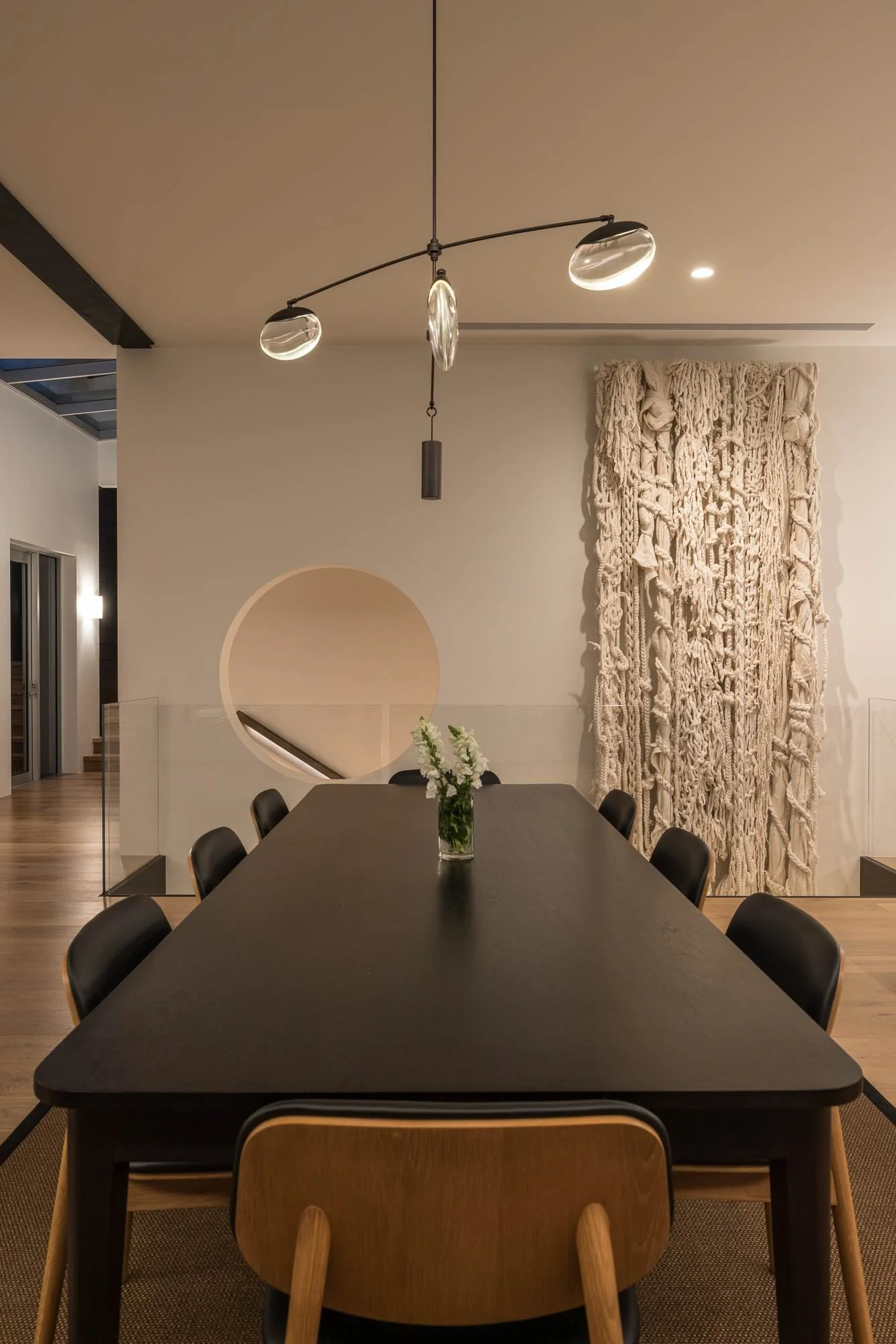
Mosman Project
How to Light Glass Objects
Glass is at its most compelling when illuminated through transmitted light rather than surface reflection.
Introducing light from beneath or behind allows the material to glow from within- enhancing clarity, texture, and refraction. This approach transforms glass into a luminous focal point, rather than a passive element.
Concealment of the light source is essential, ensuring the effect feels seamless and integrated.
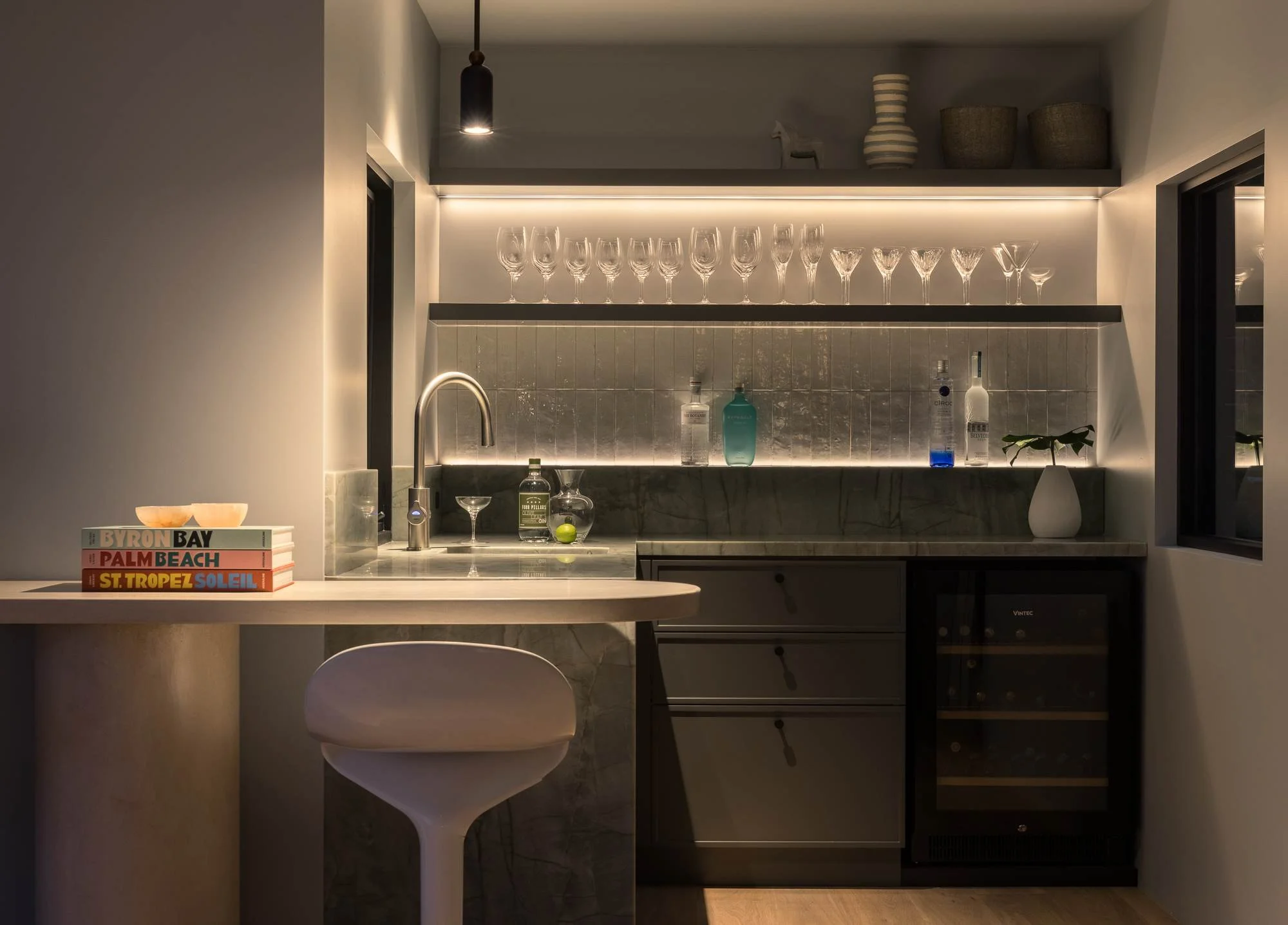
Palm Beach Project
A Considered Approach to Lighting Design
Effective artwork and feature lighting is an exercise in restraint and precision. It requires a deep understanding of light, materiality, and spatial composition.
When resolved with intent, lighting does not compete- it enhances, elevates, and completes the design narrative.
Work With Us
At Wildly Illuminating, we specialise in bespoke lighting design for residential projects, collaborating with interior designers and architects to ensure lighting is seamlessly integrated from concept through to commissioning.
Enquire today to explore our full-service lighting design or consultation offerings.
