
Multi-residential projects present a unique lighting challenge.
Unlike a bespoke home, apartment developments require lighting solutions that balance design intention, installation constraints, budget considerations, and long-term usability. Yet these limitations often lead to the most refined outcomes when lighting is considered early.
Here are five key principles we consider when designing lighting for multi-residential buildings.
Seaforth
Design Hacks for Apartments
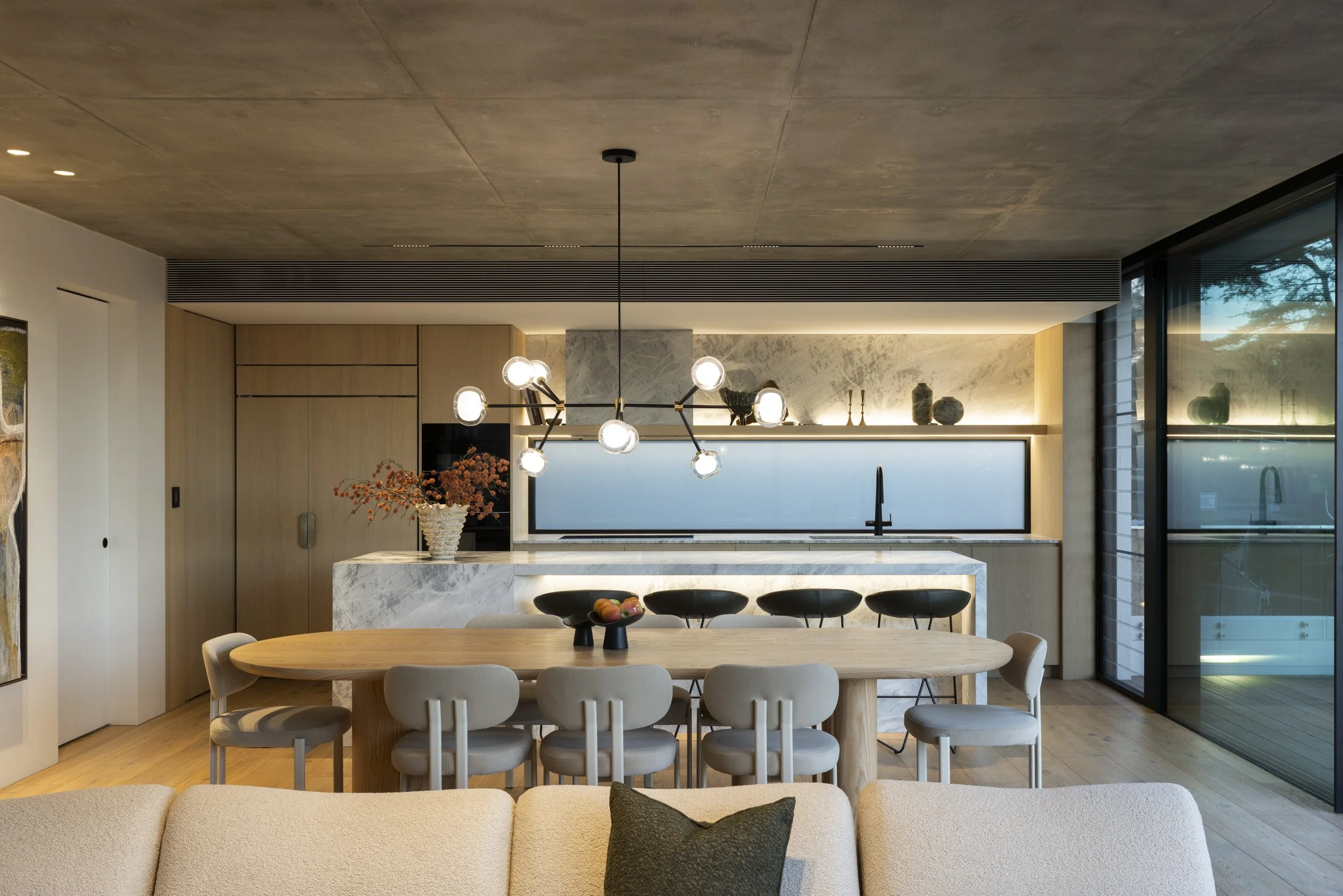
Apartments demand lighting that performs multiple roles within a compact footprint.
Layering light is essential. Combining ceiling lighting with joinery lighting, wall washing, or feature lighting prevents spaces from feeling flat or overly bright.
Adjustable fixtures also provide valuable flexibility, allowing lighting to adapt to artwork, furniture layouts, and future styling changes.
Consistency is equally important. Maintaining the same warm colour temperature throughout an apartment ensures the lighting feels calm, cohesive, and comfortable.
Seaforth
Design Hacks for Common Areas
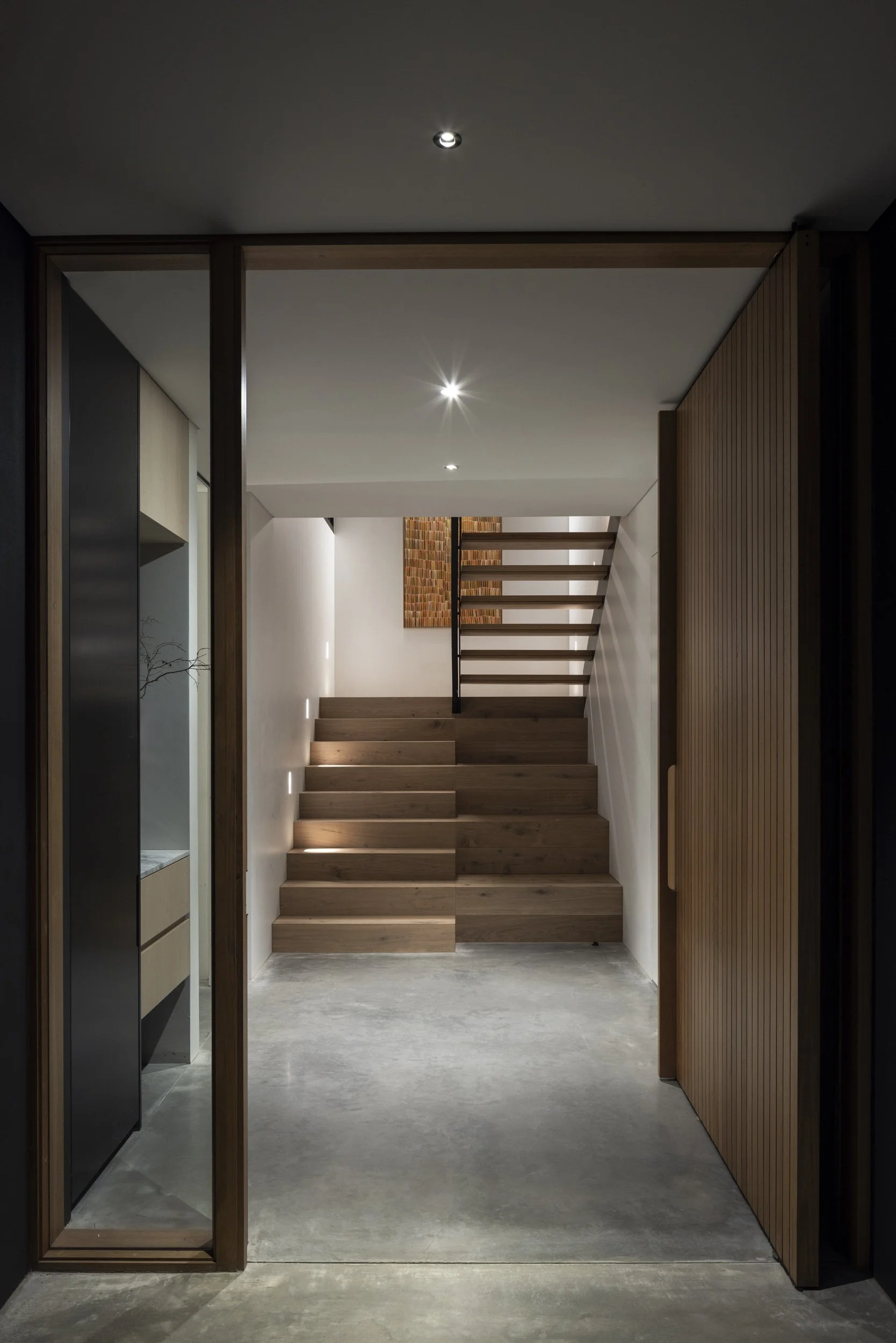
Shared spaces shape the resident experience of a building.
Entry lobbies, corridors, and amenities should feel intentional rather than purely functional.
Feature lighting can elevate arrival moments, while layered lighting in corridors softens long, linear spaces. Architectural lighting can also highlight key materials such as stone, timber, or textured walls, revealing their depth and character.
These areas are experienced daily and deserve the same level of design consideration as private spaces.
Seaforth
Installation Constraints & Solutions
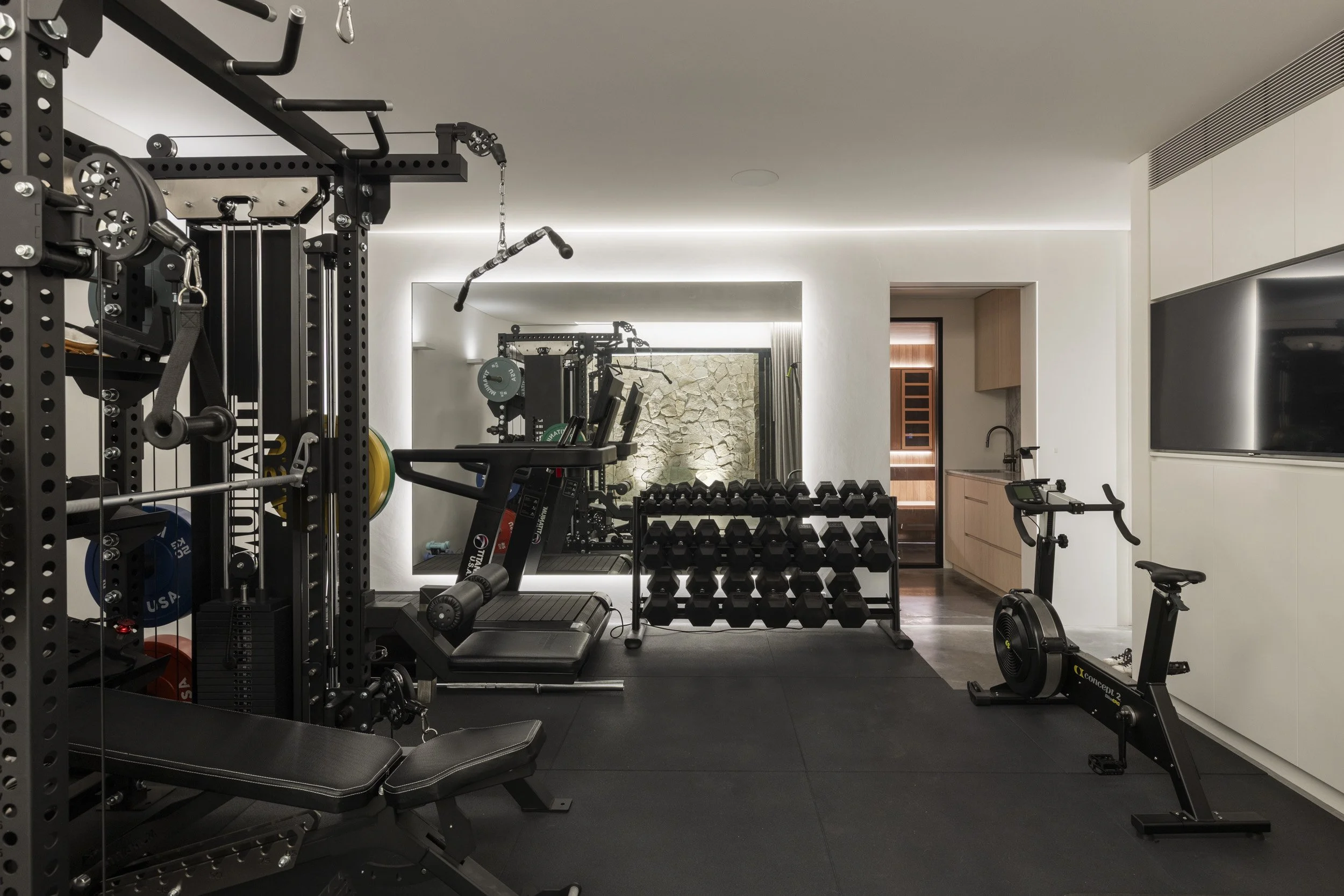
Multi-residential buildings often present practical installation limitations, including shallow ceiling cavities, fire regulations, and service coordination.
Designing with these constraints in mind is critical.
Solutions may include shallow recessed fixtures, surface-mounted architectural fittings, or integrated joinery lighting to reduce ceiling clutter. Early coordination with electrician .
Seaforth
Budget Constraints & Strategic Design
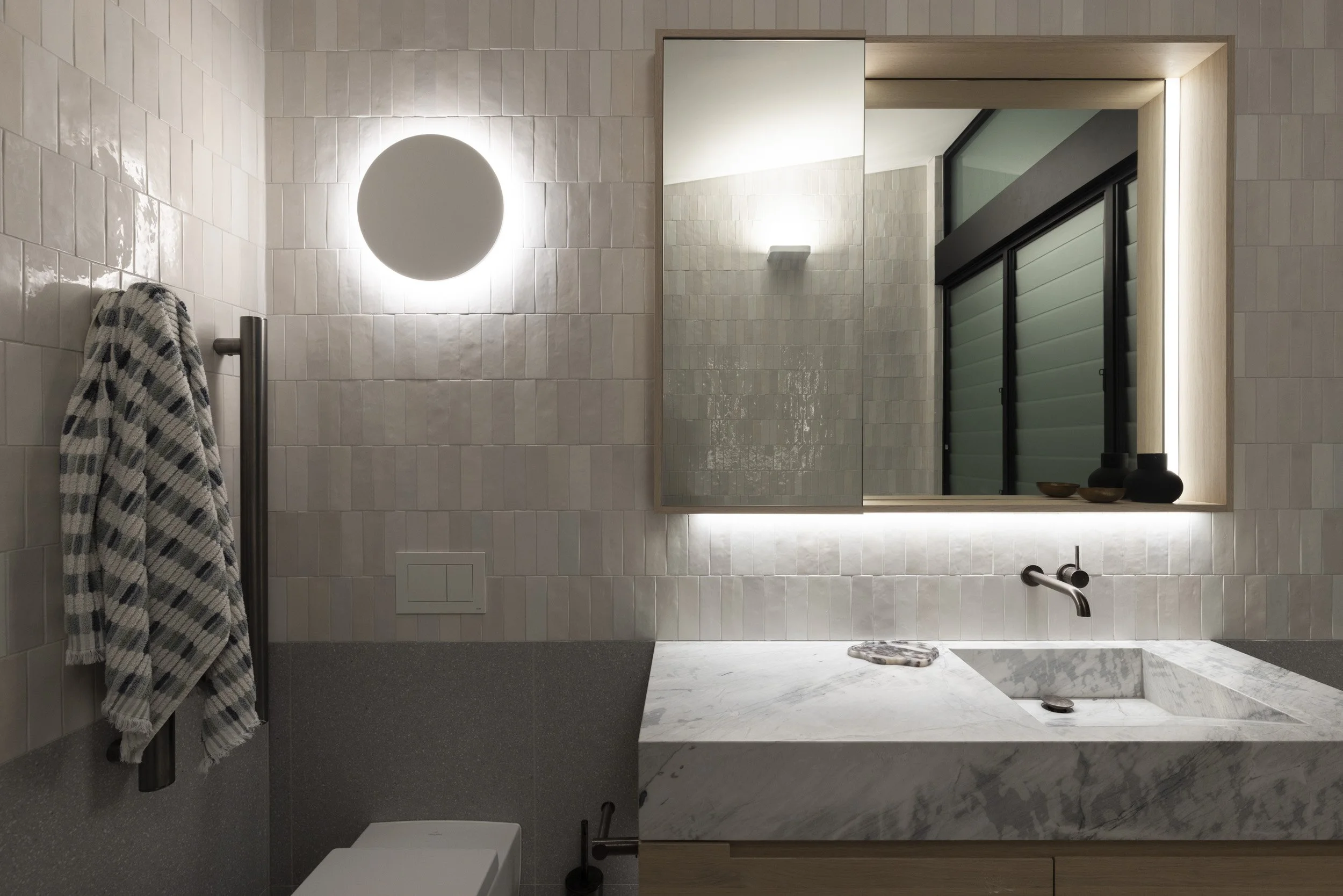
Budgets in multi-residential developments are carefully managed, but thoughtful allocation can still deliver strong visual impact.
Investing in key feature moments—such as lobby lighting or architectural highlights—often creates more impact than distributing the budget evenly throughout a building.
Standardising fixtures across apartments can also improve efficiency while maintaining a cohesive design language.
Good lighting design is rarely about spending more, but about spending wisely.
Considered Switching
Lighting fixtures are only part of the story. How lighting is controlled has a profound impact on the user experience.
Separating circuits for layered lighting, incorporating dimming in living areas, and automating lighting in circulation spaces can significantly improve usability and energy efficiency.
Thoughtful switching ensures lighting adapts to how people actually live within the space.
Final Thoughts
Lighting design in multi-residential buildings is a balance between creativity and practicality.
When lighting is integrated early and coordinated carefully with the wider project team, even constrained developments can feel refined, cohesive, and beautifully considered.
Because lighting doesn’t just illuminate a building.
It shapes how it is experienced.
Designing a multi-residential project?
Lighting works best when it’s considered early. We collaborate with architects and interior designers to ensure lighting enhances both the architecture and the lived experience.
Book a consultation to discuss your project.
