
setting the scene: the fundamentals of lighting design
Lighting is never an afterthought. It is the quiet architect of atmosphere - shaping how a space feels, functions and flows from day to evening.
When thoughtfully designed, lighting creates depth, softness and intention. When overlooked, even the most beautiful interior can fall flat.
In this lesson, we explore the five fundamentals that form the backbone of exceptional lighting design.
Paddington
1. Layering Light
Great lighting is built in layers.
A considered scheme combines:
Ambient lighting to establish overall illumination
Task lighting to support functionality
Feature lighting to create visual interest and focal points
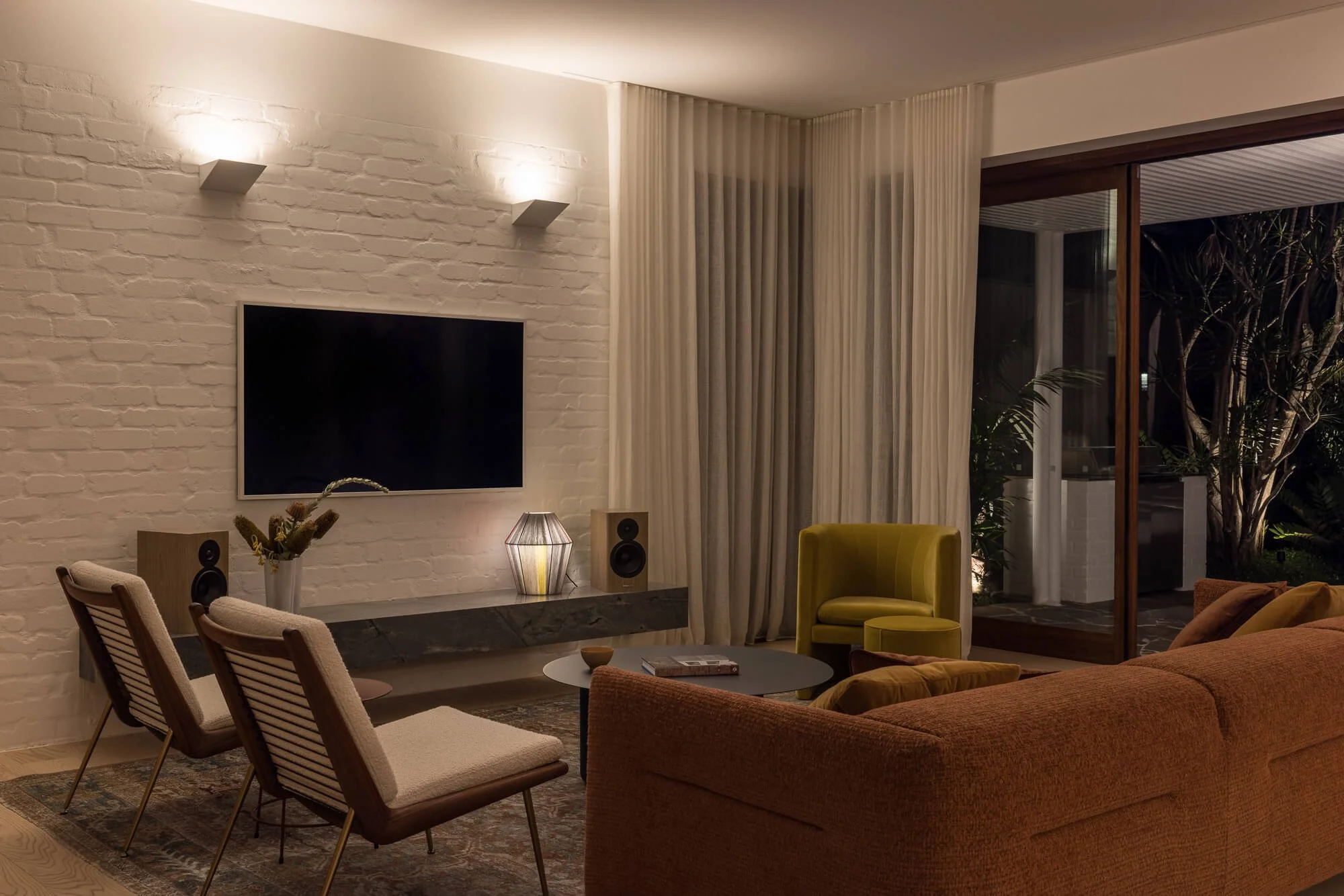
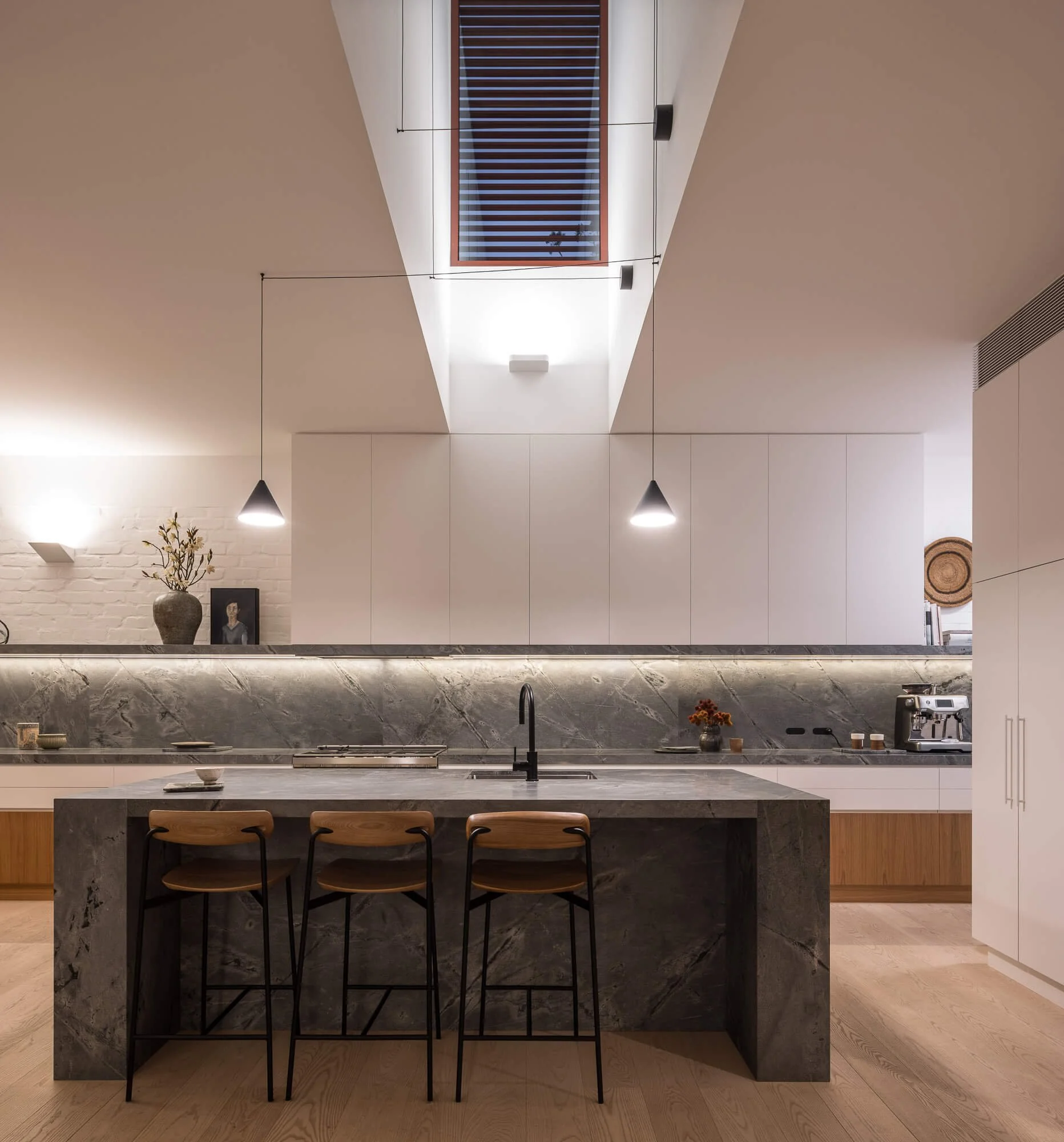
But layering is more than simply adding fittings. It’s about integrating architectural and decorative lighting so they work harmoniously. Recessed downlights may provide subtle wash, while pendants or wall lights introduce personality and sculptural presence.
When layers are balanced, a space feels effortless - never over-lit, never underwhelming.
Paddington
2. Detail
Lighting is only as refined as its detailing.
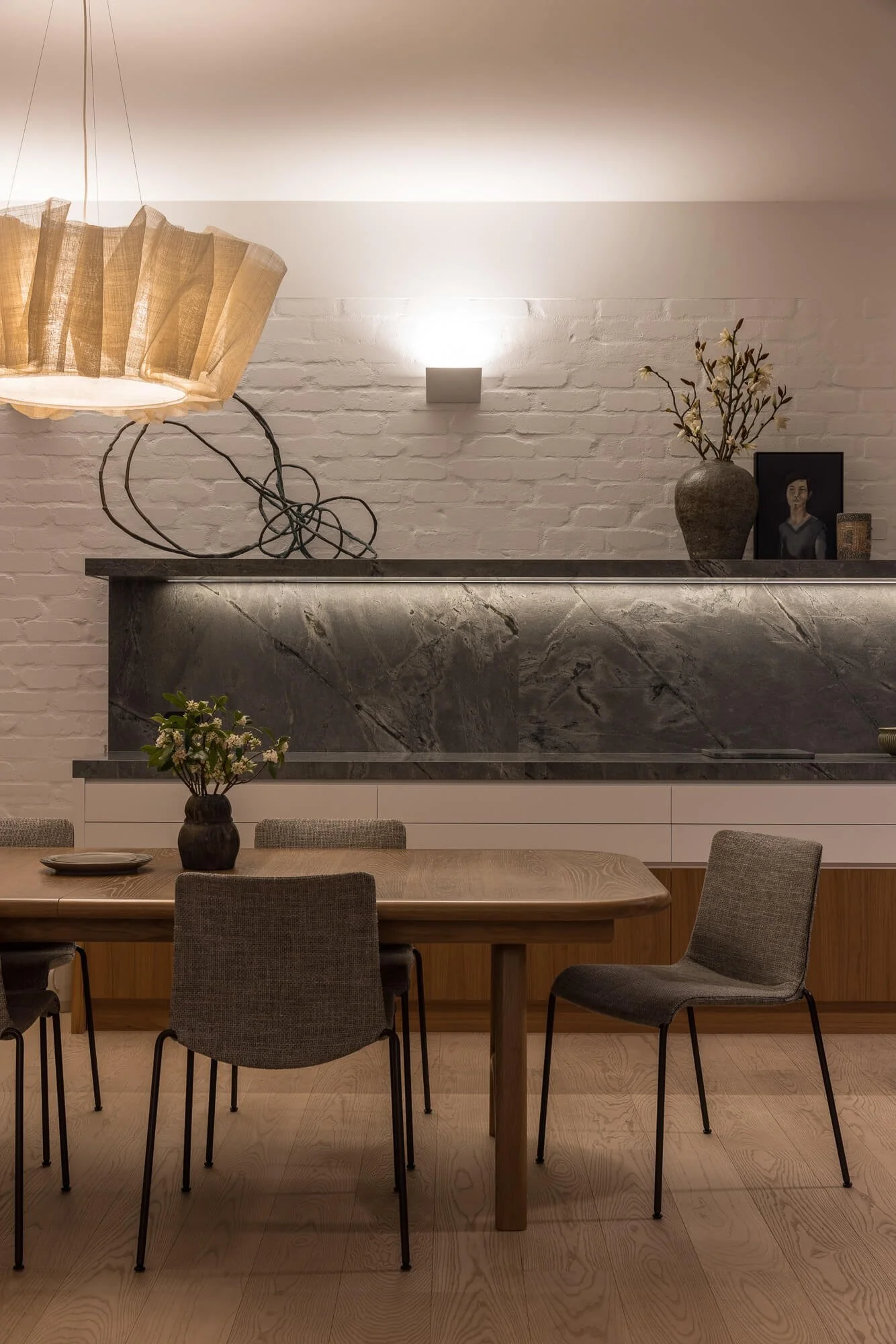
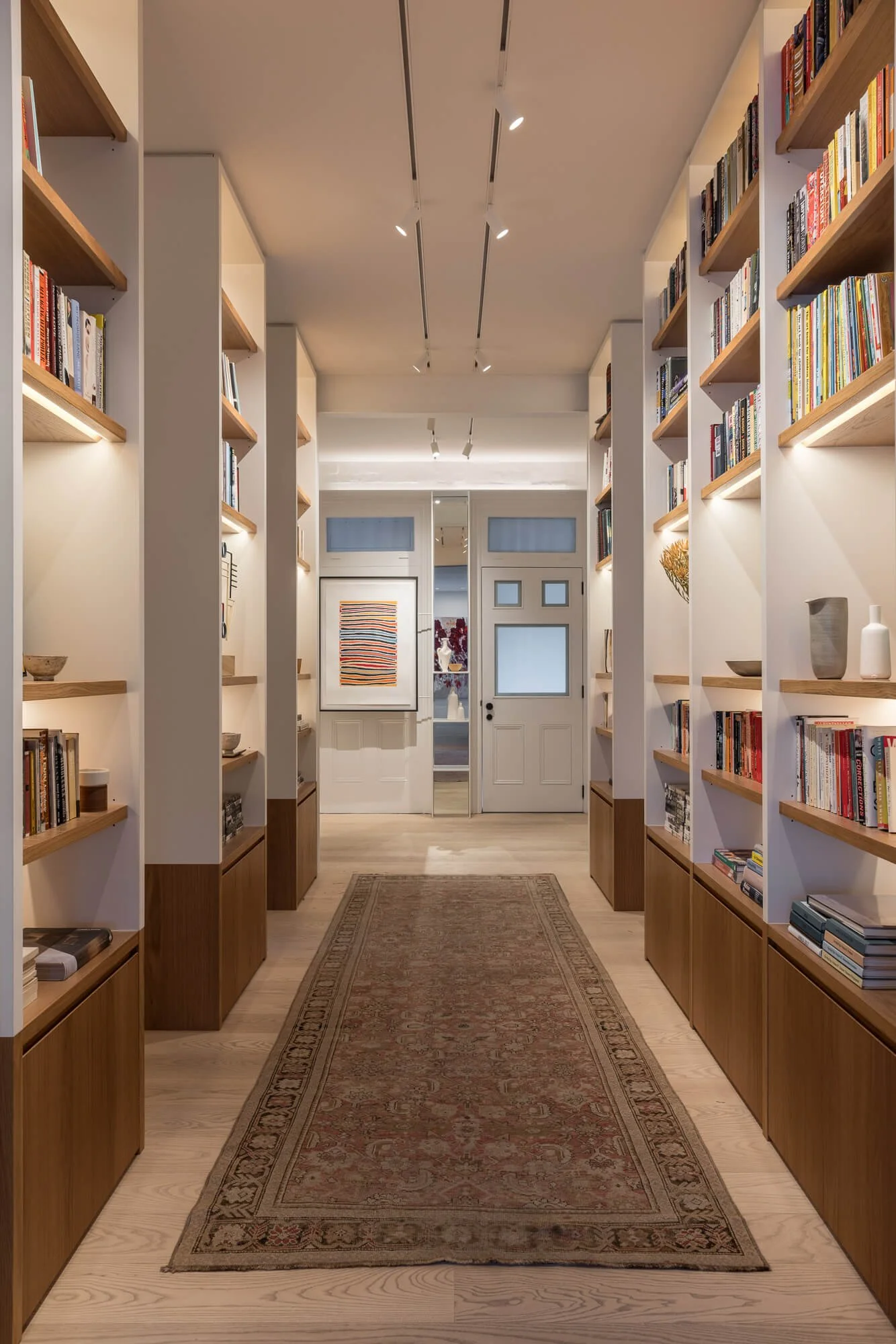
Installation precision, concealment, beam control, trim selection, colour temperature, and joinery integration all influence the final result. Poorly positioned fittings or visible LED strip can compromise an otherwise beautiful design.
The success of lighting often lies in what you don’t see:
Concealed strip lighting within joinery
Integrated profiles within plaster set ceilings
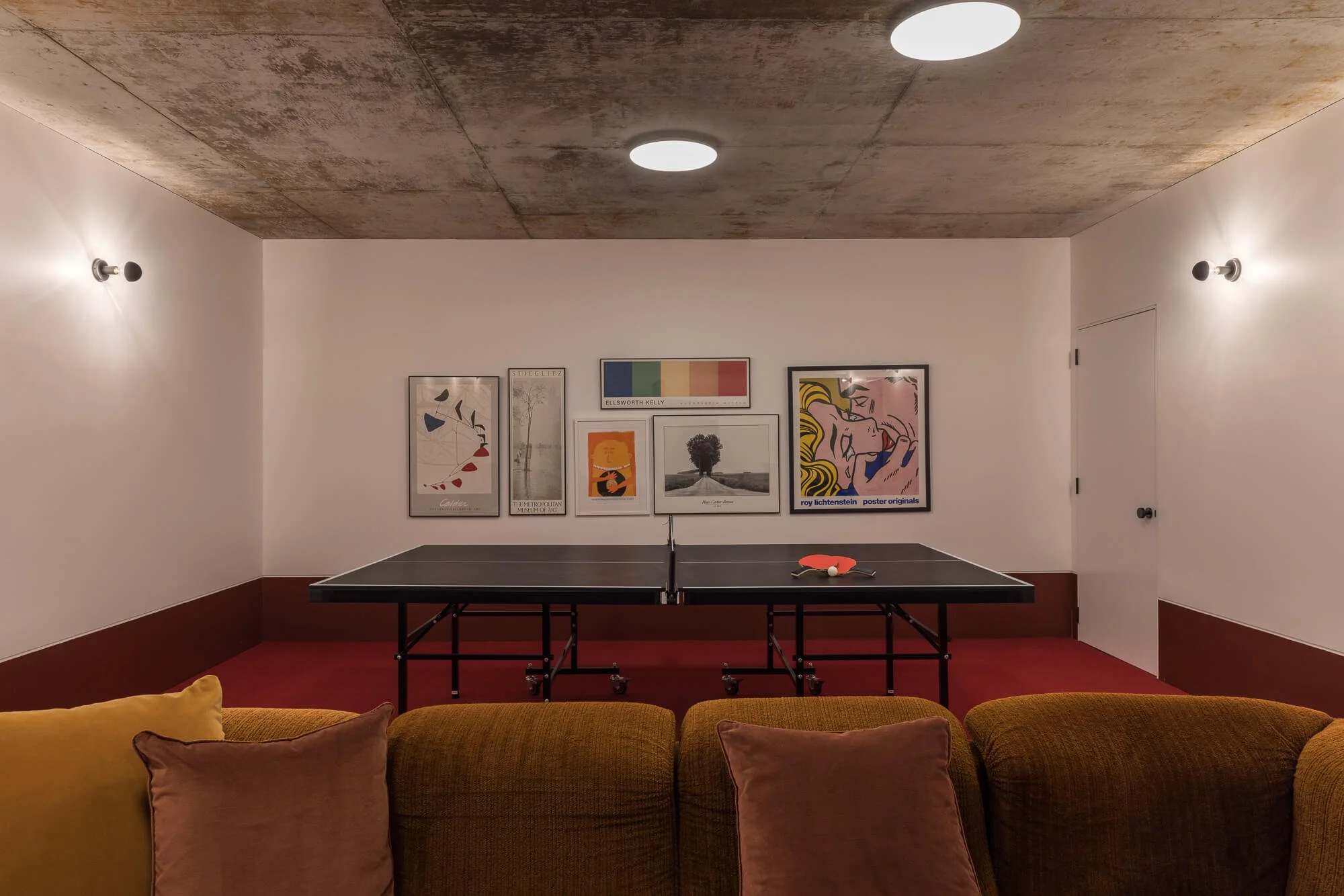
Carefully recessed fittings within concrete
It is in the detailing that lighting becomes seamless.
Paddington
3. Dimming
Dimming is not a luxury - it is essential.
Natural light shifts throughout the day. A well-designed lighting scheme responds accordingly. Bright and functional in the morning, soft and ambient in the evening.
Without dimming, flexibility is lost. With it, a single space can transform entirely - supporting productivity, entertaining, relaxation and intimacy.
Light should adapt to life.
Paddington
4. Control Systems
Control systems simplify complexity.
Behind every layered lighting scheme is a network of circuits designed to provide flexibility. Without intelligent control, that flexibility can become overwhelming.
Well-designed control systems:
Simplify operation
Maximise the use of every layer
Preserve the design intent
Allow for scene setting
A single touch can shift a space from functional to atmospheric.
Paddington
5. Documenting
Beautiful lighting requires rigorous documentation.
Reflected ceiling plans detail precise fitting locations and circuiting. Schedules outline product specifications and installation requirements. Joinery drawings clarify integration details for strip lighting and concealed sources. Concrete and plaster set installations require early coordination.
Without documentation, design intent is compromised onsite.
With it, installation becomes seamless.
Lighting is not simply about illumination - it is about shaping experience.
When these five fundamentals are considered from the outset, the result is a space that feels intentional, elevated and enduring.
If you would like to explore how lighting can transform your next project, we would love to collaborate.
