
lighting heights and volumes: designing with space in mind
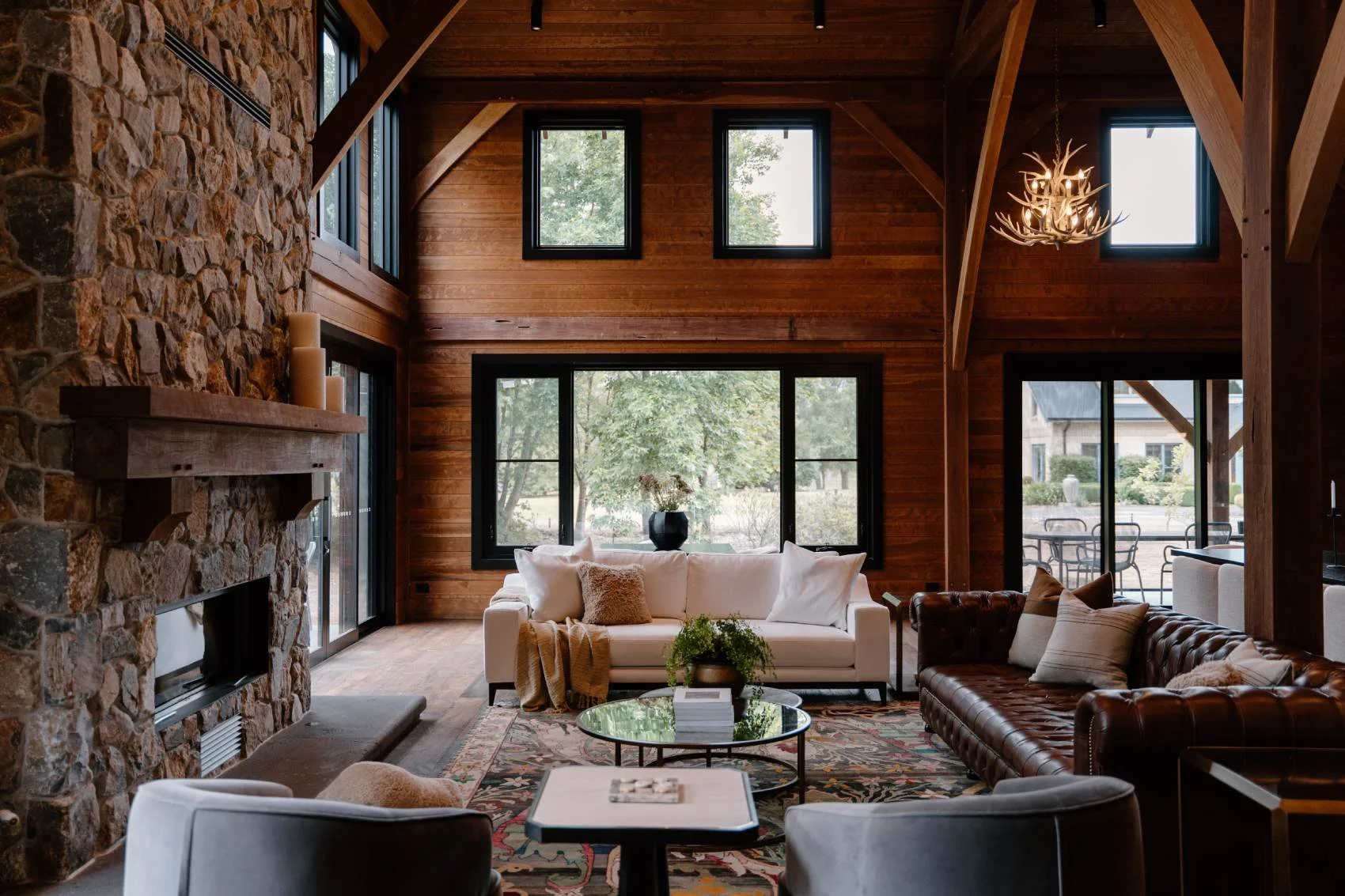
Glenquarry
Height and volume fundamentally change how light behaves within a space.
They influence brightness, comfort, atmosphere and how architecture is ultimately experienced. In high-end residential projects - particularly renovations - lighting must respond to these spatial conditions with precision rather than assumption.
Ceilings are rarely uniform. Changes in pitch, material, structure or heritage detailing introduce both opportunity and constraint. Without a considered lighting strategy, generous volumes can feel underwhelming, while richly detailed ceilings risk being visually compromised.
Thoughtful lighting design treats height and volume as primary design drivers, not secondary considerations.
UNDERSTANDING THE CHALLENGES OF HEIGHT
As ceiling heights increase, light disperses differently. Illumination levels can quickly diminish, glare becomes more pronounced, and vertical surfaces are often left under-considered. Simply increasing output rarely produces a refined outcome; it more often introduces discomfort or visual imbalance.
Effective lighting design establishes clear hierarchies - balancing ambient, architectural and task lighting - so that spaces remain legible, comfortable and cohesive regardless of scale. Height should enhance spatial quality, not dilute it.
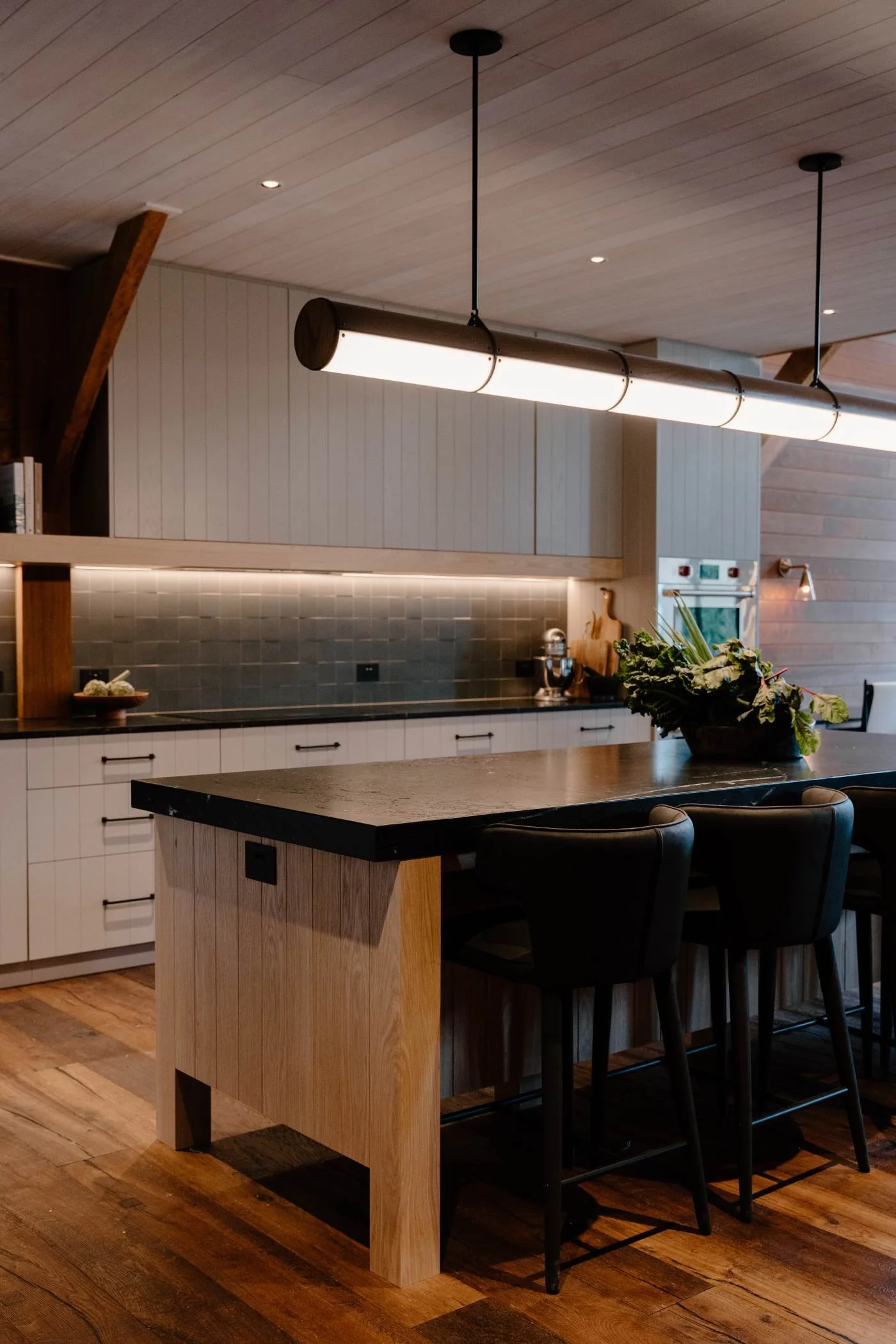

Glenquarry
Materiality and Structure Matter
Ceiling materials and construction methods play a significant role in determining what is achievable. Concrete, timber, gyprock and heritage ceilings each impose specific constraints around fixing, recessing, thermal performance and detailing.
Lighting solutions must respond to these realities. This may involve surface-mounted or integrated luminaires, reflected light strategies, or discreet detailing that preserves architectural intent. The most successful outcomes occur when lighting works with the ceiling condition rather than forcing unsuitable solutions onto it.
Detailing Protects Design Intent
In complex ceiling conditions, lighting succeeds or fails in the detail.
Fixing locations, cavity depths, beam alignments and services coordination all influence final outcomes. When these factors are resolved early, lighting becomes seamless and intuitive. When left too late, compromises are inevitable.
Clear documentation is critical. It ensures that design intent is understood, buildable and protected through construction - particularly in renovation and heritage contexts where unknowns often arise on site.

Glenquarry
Designing for Experience, Not Just Illumination
Ultimately, lighting heights and volumes is not about solving technical problems in isolation. It is about shaping experience. The way light settles within a tall space, grazes a material or softens a ceiling plane has a profound impact on how a home feels and functions.
When lighting is designed with spatial awareness, technical rigour and architectural sensitivity, it elevates more than visibility - it clarifies form, enhances materiality and brings balance to even the most complex interiors.
