
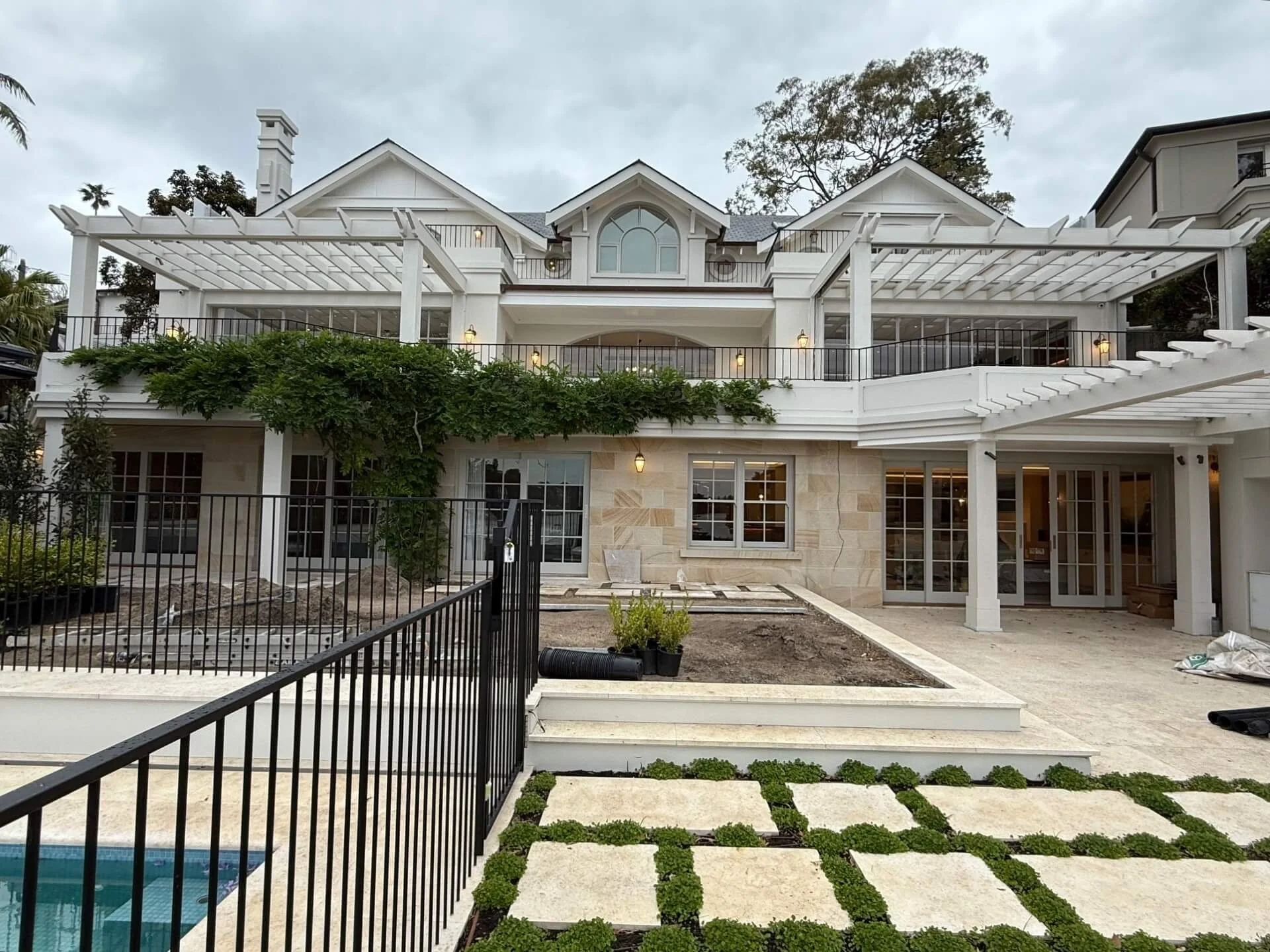
architect - ANTIPODES DESIGN | interior designer - LIZ TALBOT | lighting - WILDLY ILLUMINATING
Renovating is often seen as the more budget-conscious alternative to a knock-down rebuild, and in many ways that’s true- you’re working with an existing shell rather than starting from scratch. But from a lighting perspective, renovations can be surprisingly demanding.
The moment you keep parts of the original structure, you inherit its limitations, and lighting has to negotiate those realities. Existing wall materials may not allow for easy chasing, ceiling supports can restrict where fittings can be placed, floor depths might limit cabling or recessed details, and heritage or older construction methods can create unexpected challenges. What looks straightforward on a plan can become a careful exercise in adjustment once you’re designing for what’s already there.
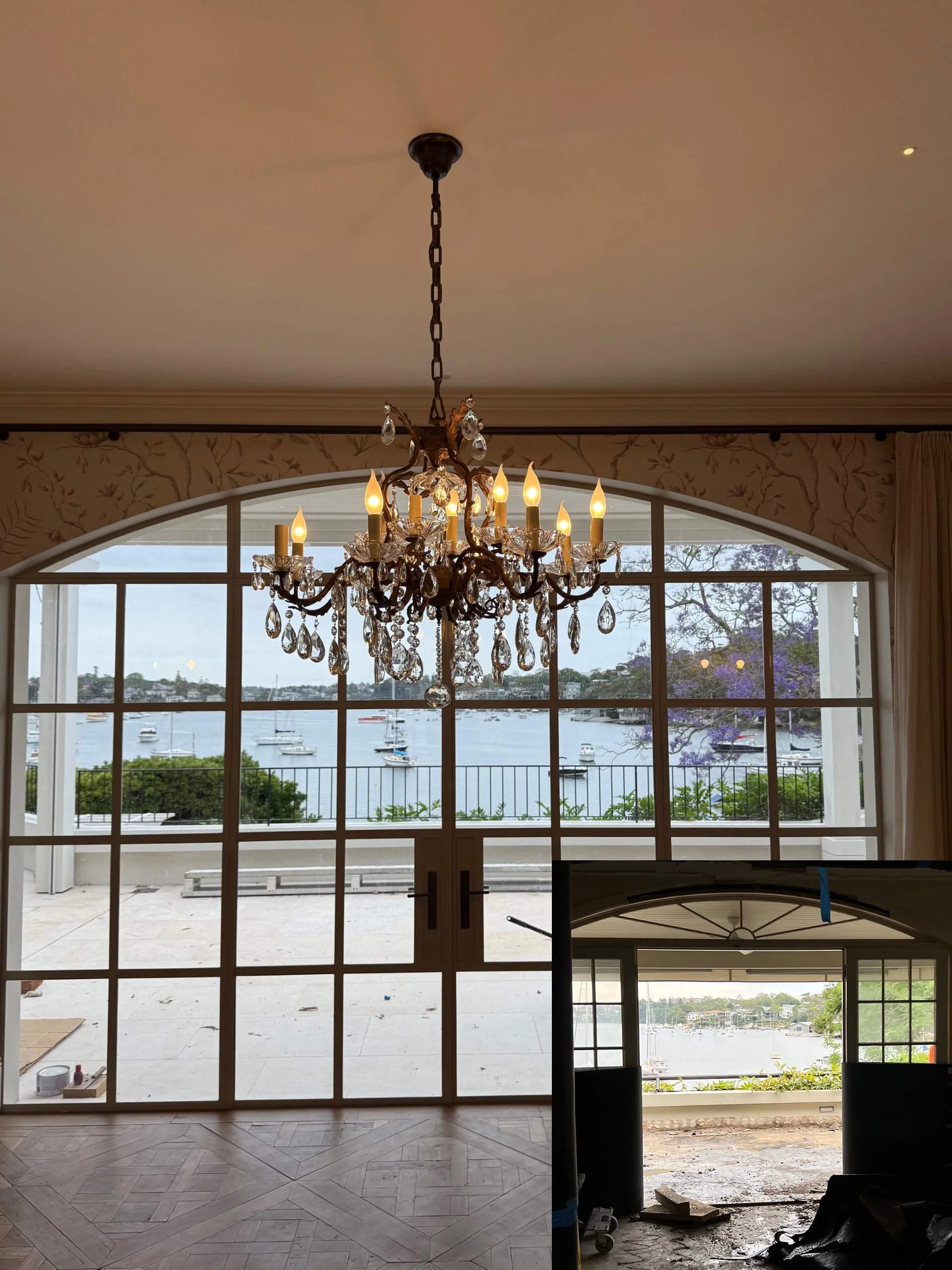
architect - ANTIPODES DESIGN | interior designer - LIZ TALBOT | lighting - WILDLY ILLUMINATING
Because of these constraints, renovation lighting often requires more design hours and more time spent specifying the right fittings. Instead of choosing an ideal solution and building around it, the designer has to explore multiple pathways to achieve the same effect- selecting compact profiles, working around beams, reshaping layers of light to suit ceiling heights, or finding products that deliver performance without needing major structural changes. It’s a more nuanced process, and it often involves deeper product research to make sure the lighting is not only beautiful, but feasible within the existing architecture. The goal doesn’t change, but the route to get there becomes more bespoke.
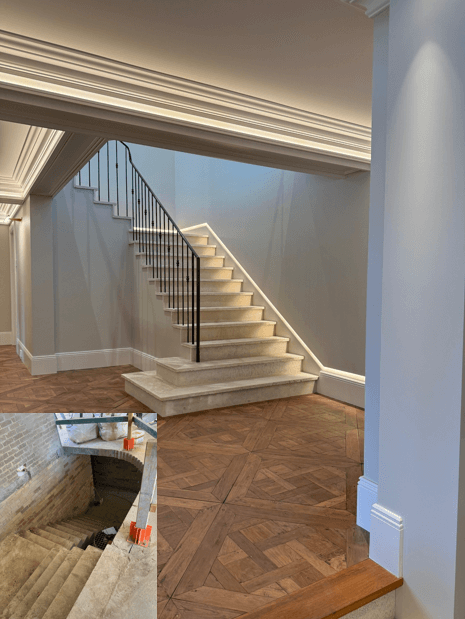
architect - ANTIPODES DESIGN | interior designer - LIZ TALBOT | lighting - WILDLY ILLUMINATING
The upside is that a fabulous result can always be achieved, and sometimes renovations produce lighting outcomes with even more character because they’re responding to a real, lived-in structure. But it’s helpful to understand early that “budget-friendly renovation” doesn’t automatically mean “simple lighting.” The extra design nous and specification work is worth accounting for when you’re planning both your budget and your timeline. If you allow the lighting designer the space to investigate, test options, and coordinate with the build team, you’ll end up with a home that feels intentional, elevated, and completely at ease- even within the constraints of what was already there.
