
Woolwich Project
Lighting is often one of the final layers considered in a project - yet it has the power to completely shape how a space feels.
Beyond simply providing illumination, thoughtful lighting design creates atmosphere, enhances architectural detail, supports functionality and evokes emotion. The most successful interiors are rarely the brightest; instead, they rely on carefully considered layers of light that feel integrated, subtle and intentional.
From concealed ceiling lighting to softly illuminated staircases, here are some of the lighting details we believe make the greatest impact in luxury residential design.
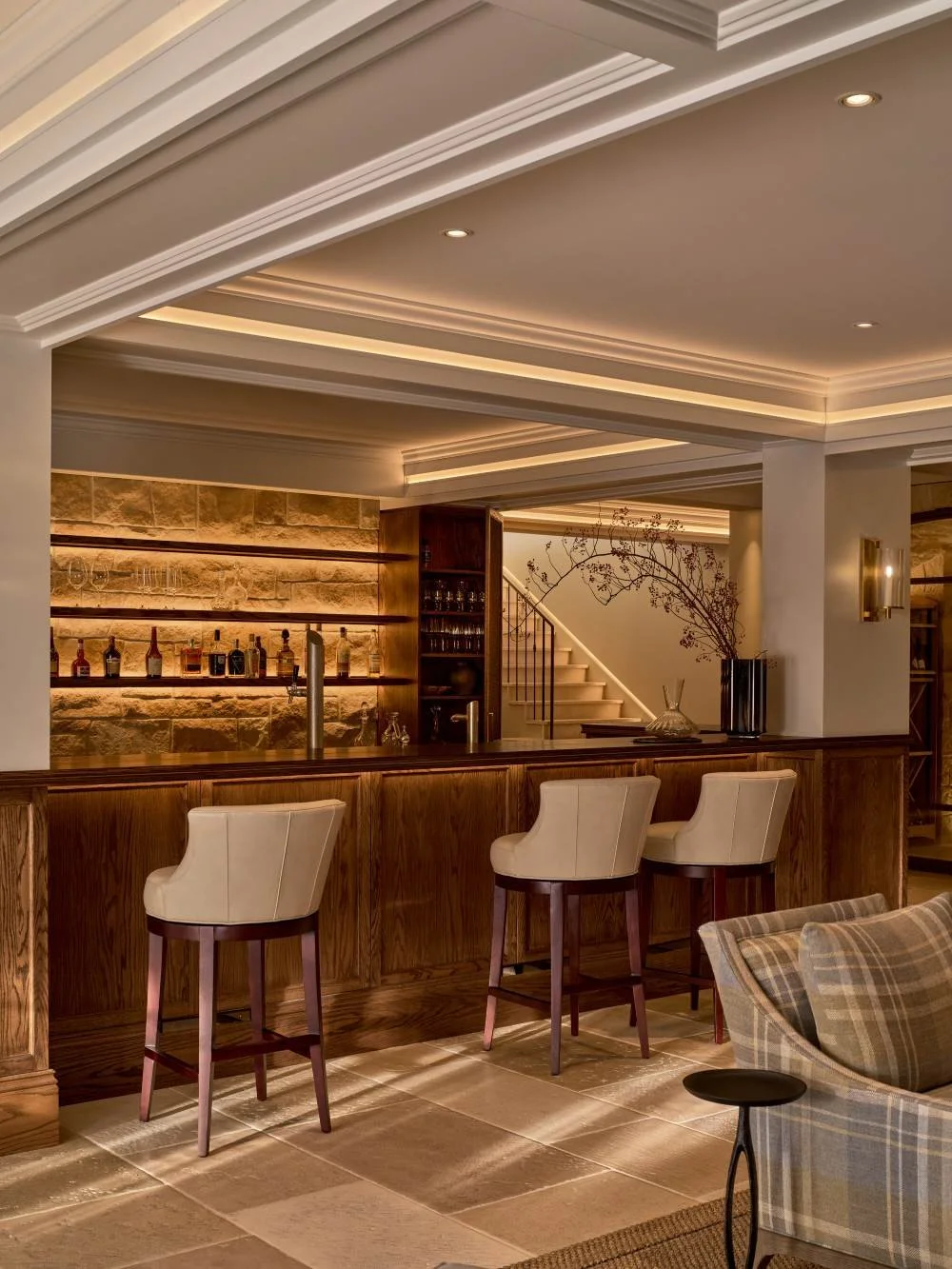
1. Coffered Ceiling Lighting: Designing Beyond Eye Level
Ceilings are one of the most underutilised surfaces in interior lighting design.
Coffered ceilings, in particular, offer an incredible opportunity to introduce soft, indirect illumination that adds depth and warmth to a space without relying on visible fittings or harsh downlighting.
By integrating concealed LED lighting within ceiling recesses or architectural coffers, the ceiling itself begins to glow gently, creating a sense of scale, softness and sophistication.
This type of lighting works particularly well in:
Living rooms
Formal dining areas
Master suites
Entry voids
Hospitality-inspired spaces
The result is a calm and elevated atmosphere where the lighting feels effortless and immersive.
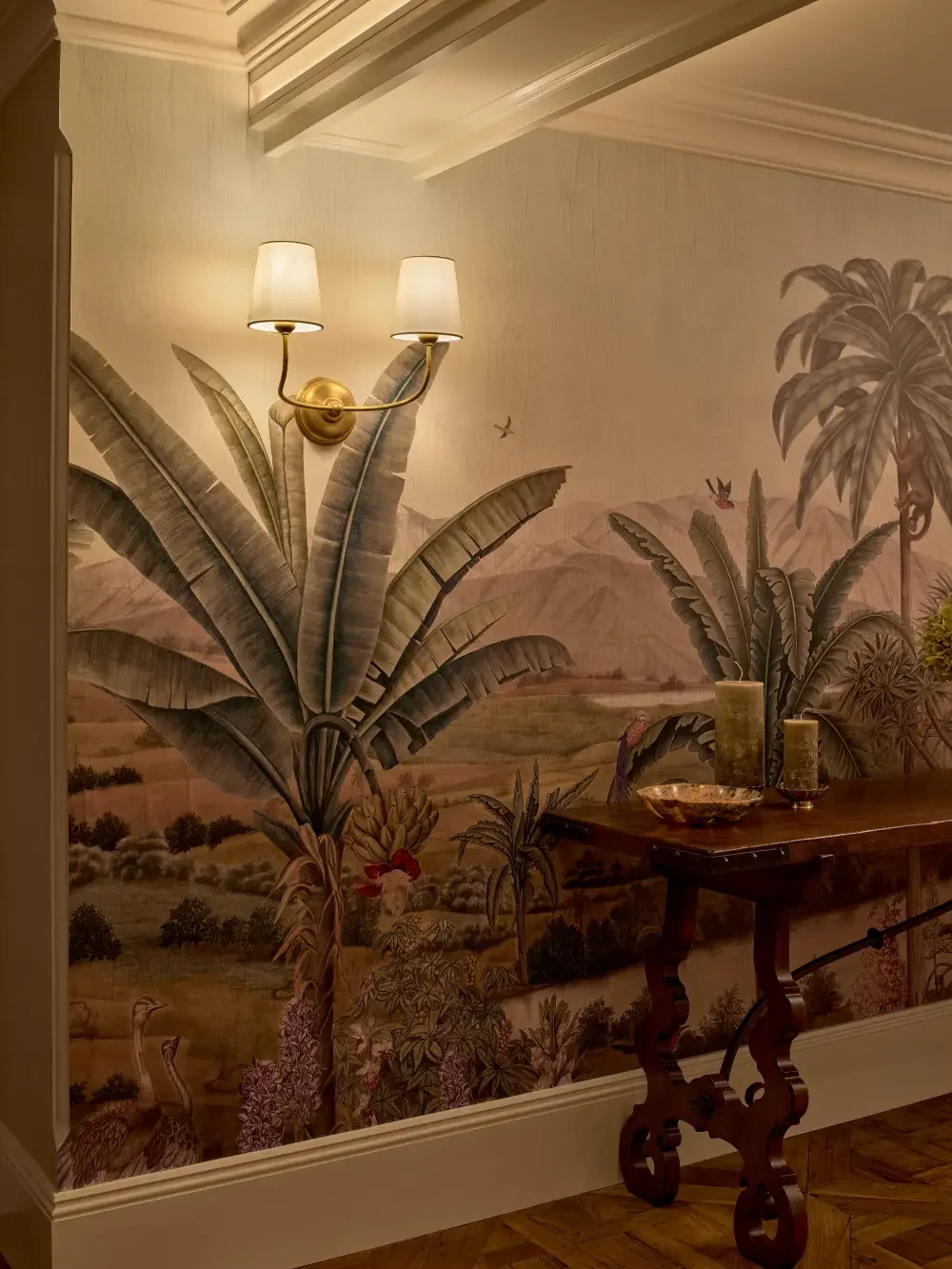
2. Wall Washing & Mural Lighting: Enhancing Texture And Artistry
Woolwich Project
Feature walls, murals and textured finishes deserve more than a standard downlight.
Wall washing uses specialised optics to distribute light evenly across a vertical surface, eliminating harsh hotspots and shadowing while allowing colour, texture and detail to be appreciated fully.
Whether illuminating hand-painted murals, natural stone, rendered surfaces or large-scale artwork, wall wash lighting creates a refined visual softness that enhances the materiality of a space.
The effect is particularly impactful in:
Hallways
Stair voids
Feature walls
Hospitality interiors
Gallery-inspired residential spaces
When executed correctly, wall lighting draws attention without overwhelming the architecture itself.
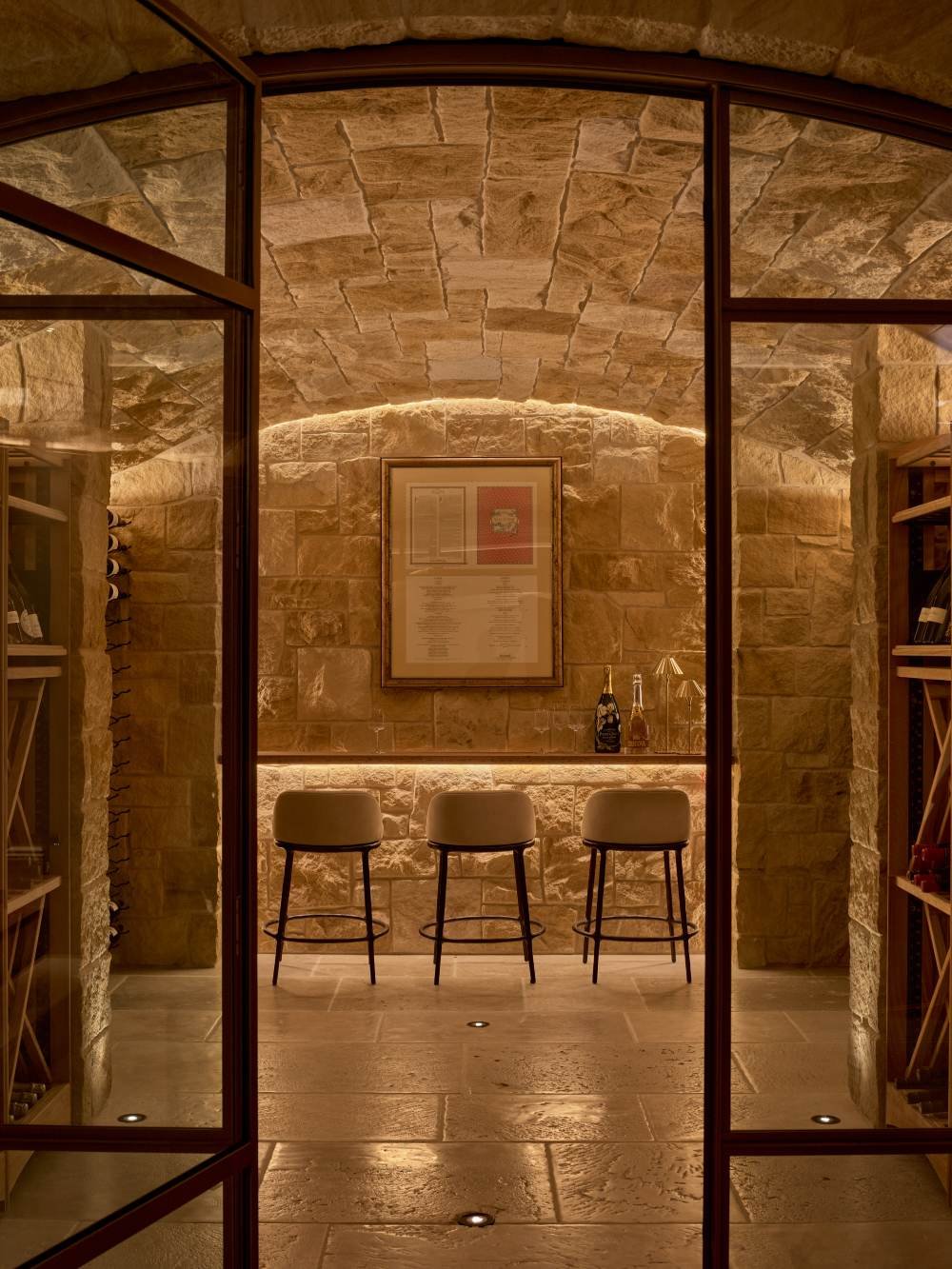
3. Wine Cellar Lighting: Creating Mood & Drama
Woolwich Project
Wine cellars are one of the few spaces where darkness becomes part of the design language.
Rather than flooding the room with brightness, cellar lighting should feel intimate, layered and atmospheric. The goal is to create depth and drama while subtly highlighting materials, shelving and curated collections.
Some of our preferred techniques include:
Concealed shelf lighting
Warm integrated LED strips
Soft wall grazing
Focused accent lighting
Dimmable layered scenes
Warm colour temperatures are particularly important in these environments, helping timber, stone and darker finishes feel rich and inviting.
A beautifully lit cellar transforms from simple storage into a luxurious experience.
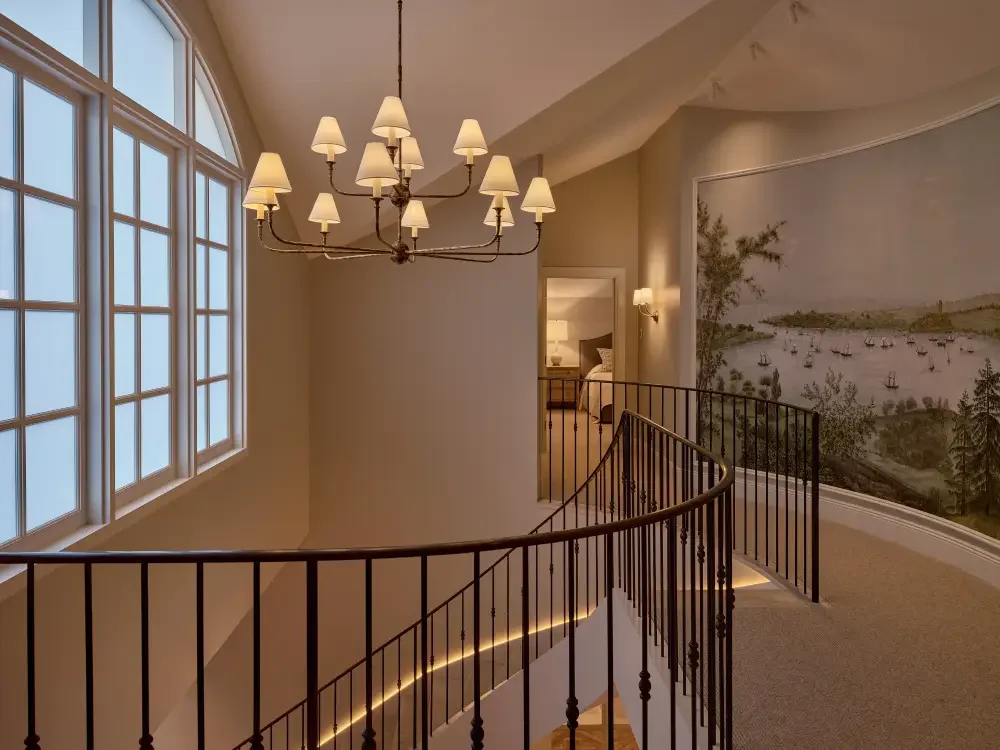
4. Stair Lighting: Functional Yet Architectural
Woolwich Project
Stair lighting should do more than provide visibility - it should guide movement beautifully throughout the home.
Integrated stair lighting creates rhythm, softness and architectural continuity while improving safety and usability during evening hours.
There are many ways to approach stair illumination, including:
Recessed wall lights
Concealed tread lighting
Handrail-integrated LED
Surface-mounted architectural fixtures
Pendant features over stair voids
The key is restraint. Over-lighting can quickly diminish the elegance of a staircase, whereas subtle integrated lighting creates a far more refined outcome.
The most successful stair lighting often feels almost invisible during the day while becoming transformative at night.
5. Joinery Lighting: Elevating Everyday Function
Woolwich Project
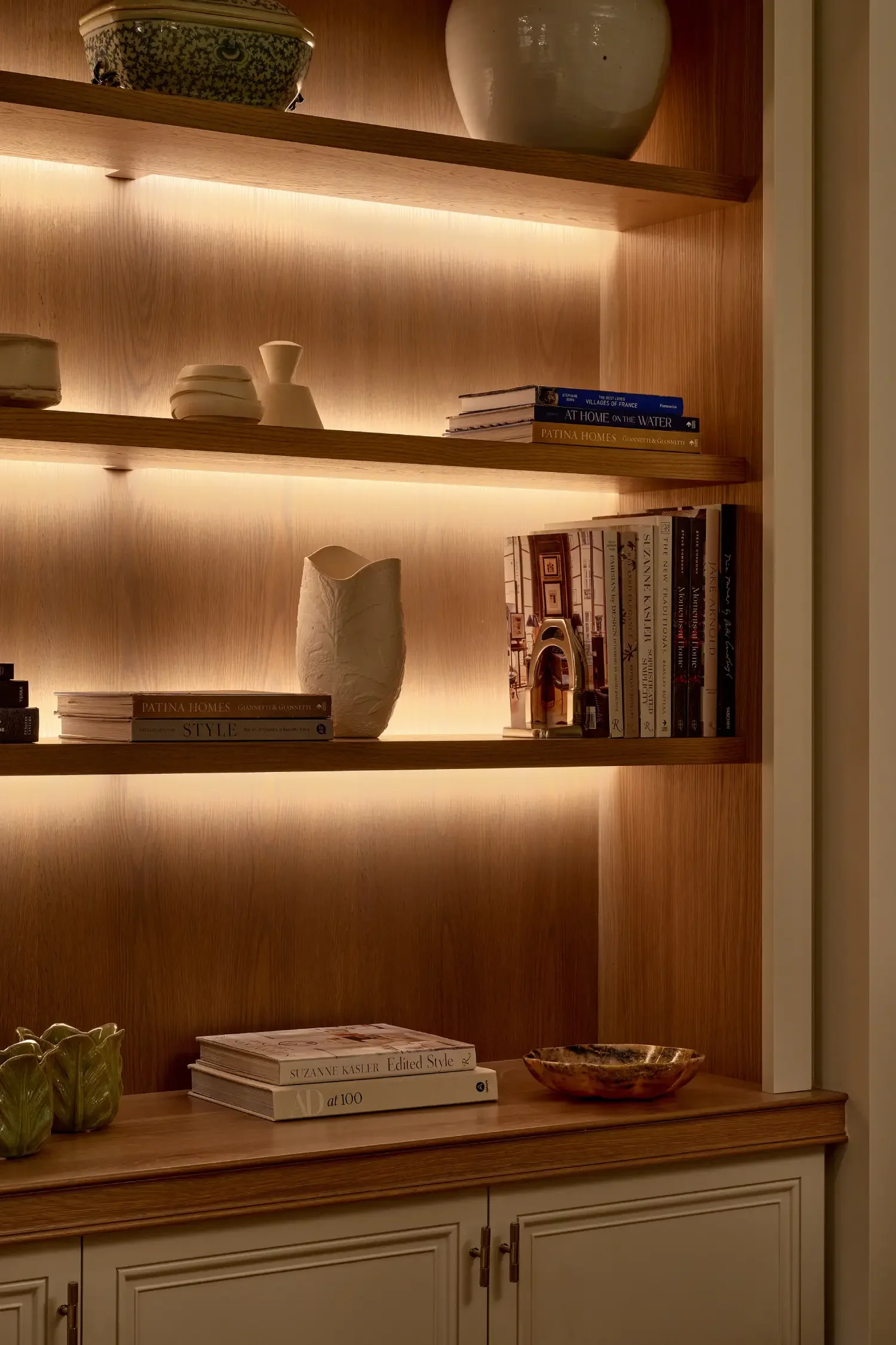
Integrated joinery lighting is one of the simplest ways to make a home feel considered and luxurious.
Thoughtfully concealed lighting within wardrobes, bathroom vanities, bars, shelving and kitchen joinery enhances both functionality and ambience while highlighting materials and craftsmanship.
Joinery lighting can:
Improve visibility
Create depth within cabinetry
Highlight textures and finishes
Add warmth to transitional spaces
Enhance the evening atmosphere of a room
When layered correctly, these smaller lighting details contribute significantly to the overall experience of the home.
6. The Importance Of Layered Lighting
One lighting source alone is rarely enough to create a balanced and flexible interior.
Layered lighting combines multiple forms of illumination to support both function and mood throughout the day and evening.
Generally, lighting falls into three key categories:
Ambient lighting - overall illumination
Task lighting - functional lighting for activities
Accent lighting - highlighting architectural or decorative features
The most inviting interiors balance all three layers harmoniously, allowing spaces to transition naturally from day to night.
7. Why Dimming Changes Everything
Even the most beautifully designed lighting scheme can feel incomplete without dimming control.
Dimming allows a space to adapt throughout the day, supporting different moods, functions and experiences while reducing glare and improving visual comfort.
Morning light requirements are vastly different to evening entertaining, and lighting should respond accordingly.
A flexible lighting scene can transform:
Dining experiences
Entertaining spaces
Bedrooms
Bathrooms
Cellars
Open-plan living areas
Ultimately, dimming creates emotional flexibility within a home - allowing the atmosphere to evolve naturally.
Thoughtful Lighting Creates Lasting Impact. The most successful lighting design is often the least obvious.
Rather than dominating a space, it quietly enhances architecture, reveals texture, supports movement and creates atmosphere in ways that feel instinctive and effortless.
When lighting is considered early in the design process, it becomes seamlessly integrated into the overall architectural language of a home - elevating not just how the space looks, but how it feels to live within.
At Wildly Illuminating, we believe great lighting should be felt as much as it is seen.
